
This study aims to develop edible protein-based casings using transglutaminase (TGase) enzymes extracted from plant sources, compared with a commercial enzyme. Protein isolates were prepared from sweet lupine seeds (Lupinus albus) and commercial whey protein isolate (WPI). The chemical composition of sweet lupine seeds was analyzed, with moisture, fat, protein, ash, fiber, and carbohydrates recorded at 12.07%, 30.11%, 4.36%, 3.31%, 15.20%, and 34.95%, respectively. For the lupine protein isolate (LPI), optimal precipitation was achieved at pH 4.75, yielding 91.47% protein content. TGase enzymes were extracted from chard, arugula, and radish, with enzymatic activities of 7.94, 2.76, and 4.34 U/mL, respectively. Partially purified TGase achieved enhanced activity at 9 U/mL. Functional properties of LPI were evaluated, with water and lipid absorption capacities measured at 1.273 mL/g and 0.312 mL/g, respectively. Four types of protein films were developed: T1 (LPI without TGase), T2 (WPI without TGase), T3 (LPI with plant-extracted TGase), and T4 (LPI with commercial TGase). Mechanical and physicochemical properties were analyzed, showing that enzyme-supported film s outperformed others. Film thickness values were 0.091 mm (T1), 0.086 mm (T2), 0.080 mm (T3), and 0.085 mm (T4). Tensile strengths were 5.42, 6.14, 8.30, and 8.52 MPa for T1–T4, respectively. Elongation percentages were 39.6%, 31.1%, 40.3%, and 59.6%, while water vapor permeability values were 6.98, 5.12, 6.18, and 6.94 g.mm/cm².Pa, respectively. Results indicate that TGase-supported films, particularly those with commercial TGase (T4), exhibited superior mechanical and barrier properties, highlighting their potential for use in food packaging applications.
Research Article · Volume 39, Issue Sp. 1, Pages 97–109, 16 November 2026 · Open Access
Enhancement of Edible Films Properties Derived from Isolated Lymph Proteins Using Transglutaminase Enzyme
, ,
Affiliations & Notes ⌄
- 1College of Biomedical Engineering, University of Technology, Baghdad, Iraq
- 2Environmental Research Center, University of Technology, Baghdad, Iraq
- 3Department of Civil Engineering, Lassonde School of Engineering, York University, Toronto, ON, M3J 1P3 Canada
- *Correspondence | Ihab Mahmood Abdulhadi; Email: ihab.m.abdulhadi@uotechnology.edu.iq
Article Info ⌄
- Journal:
- Pakistan Journal of Agricultural Research
- Submitted Date:
- 11 April 2026
- Accepted Date:
- 25 October 2026
- Published Date:
- 16 November 2026
Abstract
Introduction
Recent trends in food manufacturing in general and packaging in particular are witnessing clear progress and interest as packaging is an important process in the food industry, as it contributes significantly to the preservation of fresh food products from pollution and changes in their physicochemical properties (Del et al., 20.17). International food corporations and research institutions have focused on investigating the quality and integrity of food packaging, alongside the adherence to international quality standards. Consequently, there is a trend towards utilizing renewable and natural materials that are edible, efficient, and environmentally sustainable, while also addressing the waste generated by conventional packaging methods . Enzymes are biological catalysts and are also called biocatalysts, which accelerate biochemical reactions in organisms. Extracted from various sources and used to stimulate broad totals of commercially important processes, as well as their widespread use in the food industry and in the fields of medicine and improvement of antibiotic and cosmetic properties and , Cross-linking is defined as the process of linking polymer chains by non-contributing or contributing interactions to the formation of three-dimensional networks. Transglutaminase (TGase) synthesizes crosslinking interlinkages by stimulating interactions between internal chains of glutamine amino acid and between it and lysine amino acid residues is used to modify and modify the structure and composition of the protein, and through the cross-binding provided by this enzyme by linking polymer chains by the contributing bonds they form. In the light of studies conducted by the researchers, they found that it has a high potential to improve the characteristics of protein films. The most acceptable way to modify the properties of protein . The lupus seeds have been used as human food and feed for animals since ancient times, and the lupus has been used as an ornamental plant in gardens. It has gained great agricultural importance, especially in Australia, and is one of the world's largest producers of lupus. The lupus, especially the sweet lupus, is a good dietary source of high protein and nutritional fiber and there is a global increase on lupus seeds as the main source of protein , The current study aimed at using Lupinus albus as a protein source for the manufacture of edible films, extracting its protein, isolation and studying some of its functional properties. Extracting Transglutaminases from different plant sources and selecting and partially purifying the best. Study the effect of adding Transglutaminase enzyme extracted to protein film s prepared from a sweet lupine seed isolator and compare it to the commercial enzyme through mechanical, bookkeeping and functional examinations.
Materials and Methods
Lupine protein isolate
Preparation of lupine powder
Use in research the seeds of the sweet Lupinus albus Australian variety Hamburg lupine equipped from local markets seeds were cleaned from impurities and washed thoroughly and soaked with distilled water (6) hours with water swapping Which was atroom temperature to soak every two hours and then dried seeds, Then the Lupine seeds were peeled off to get rid of the crust and then grinded a laboratory mill and then sifted through a 60 mash laboratory sieve). (preserved in cooling (4 ± 2) m ° poly-ethylene bags pending use.
Prepare dehydrated seed powder
Grease-degraded thermos powder was attended to, as mentioned , By treating hexane powder at a 3:1 w/v ratio and leaving it for 3 hours on the magnetic blend after leaving the mixture for 24 hours at room temperature after separating the leachate with filtration paper wht no.1 type under discharge after collecting the sediment and drying using the vacuum air oven to get rid of the solvent residue and kept in freezing until use.
Preparation of Lupine protein isolate (LPI)
The protein isolator attended to the tarmac according to what came in a manner . With some alteration where he took a amount of deohydrated powder to thicken and blended with distilled water by (10: 1) v/w With stirring 4 hours mediated by the magnetic blender and then raising pH to 9 using NaOH sodium hydroxide with Mulari 1 concentration By pH meter and moving the mix by magnetic blend for 1 hour and then conducted by a high-speed cooling centrifuge, at 10000 Xg for 15 minutes on 4°C after separating the lever from the deposit and neglecting the depositor to take the lever containing the lever. And then a second trial was done to get the best pH suitable for precipitation of the Lymph protein, where part of the lever was put into test tubes and weight of the lever with the tube and then lowered pH to (5, 4.5, 4, 3.5) by HCL hydrochloric acid and took three tubes per pH under study and then conducted a centrifugal 10000 Xg for 15 minutes and then neglected the lever and took the sediment with tubes and weighed to see the most isolated ratio obtained by the best pH suitable for protein deposition. pH 4 was identified as favoring pH. Take the pre-prepared lever from the above paragraph at pH 9, reduce to pH 4 using diluted HCl (1 mol/L), then leave for 24 hours to stand, leach the mixture, collect the sediment, and centrifuge at 10000 xg for 15 minutes. Repeat the operation on the lever to ensure the largest amount of the deposit, which represents) Insulated, then washed the deposit with distilled water several times, and then added the amount of distilled water to the deposit, and then adjusted the to pH 7. The sample drying-Freeze was then frozen at ° (18 -) m until use.
Estimate of chemical composition
The chemical composition (moisture, ash, protein, fat, fiber, carbohydrates) is calculated for each of the lupus seeds, insulated lupine protein.
Determination of moisture
The percentage of humidity according to AOAC (2008). is estimated to place 5 g of sample in a special container in an air oven at a temperature of ° (105) m until the weight is stable and applied the following formula:
Moisture%=Sampleweightbeforedrying−sampleweightafterdryingSampleweightbeforedrying×100Moisture\ \%\ = \frac{Sample\ weight\ before\ drying\ - \ sample\ weight\ after\ drying}{Sample\ weight\ before\ drying} \times 100
Determination of fat
Use the Soxhlet to estimate the percentage of fat according to the method in AOAC (2008). Taking 5 g of the model put in the device and then adding 250 ml of HX to it increased the temperature of the device to 50 ° C for 6 hours and then the solvent saturated with the oil extracted from the samples in the bottle of the known device collected the weight and evaporation of the solvent from the sample using the rotary evaporator device and then according to the weight as follows:
Fat%=Vialsweightwithfat−emptyvialsweightSampleWeight×100Fat\ \%\ = \frac{Vials\ weight\ with\ fat\ - \ empty\ vials\ weight}{Sample\ Weight} \times 100
Determination of protein
The total nitrogen ratio was estimated in the micro CLDAL method and according to the standard method in AOAC (2008). The protein ratio is calculated by multiplying the total nitrogen ratio by the conversion factor:
Protein = nitrogen (N)% × 6.25.
Determination of ash
The ash was calculated according to the method described in AOAC (2008). By taking 2g of the model, then placed in a ceramic eyelid with known weight and placed in the incineration furnace, Muffle Furnace at 550 °C for 5 hours and calculated the ash ratio of the following formula:
Ash%=Eyelidweightwithmodelafterincineration−emptyeyelidweightSampleWeight×100Ash\ \%\ = \frac{Eyelid\ weight\ with\ model\ after\ incineration\ - \ empty\ eyelid\ weight\ }{Sample\ Weight} \times 100
Determination of fiber
The fiber ratio is estimated according to the method described from AOAC (2008). by weighing 5 g of the sample and placed in the tray of the device and added 200ml diluted H2SO4 with a concentration of 1.25% and a heat of 30 minutes with stirring then filtered separated the unleaded parts (Sediment) Placed in the flap again, added to it 200 ml NaOH in 1.25% concentration and nominated and placed in an eyelid that placed asbestos, the candidate sample in the oven dried for two hours at a temperature of ° 131 m and then burned for 30 minutes at a temperature (600) ° m. The sample was cooled and then weighed, and the percentage of fibres was calculated as follows:
Fiber%=Weighedeyelidwithdriedmodel−weighingeyelidwithashafterburningSampleWeight×100Fiber\ \%\ \ = \frac{Weighed\ eyelid\ with\ dried\ model\ - \ weighing\ eyelid\ with\ ash\ after\ burning\ }{Sample\ Weight} \times 100
Determination of carbohydrates
The percentage of the teams' carbohydrates is estimated using the following formula:
% carbohydrate = 100 – (moisture% + fat% + protein% + ash% + fiber%)
Plants samples
Radish and chard, and arugula plants were purchased from local markets in Baghdad governorate. Samples packed with sealable plastic bags were transported to the laboratory and kept at refrigerator temperature for use in extracting the Transglutaminase enzyme under study.
Extraction of the enzyme transglutaminase
Extract transglutaminase enzyme following the method described in , with some modifications. First, clean the plants thoroughly, wash them with distilled water, and refrigerate at 2-6°C until use. Use a 0.1 M Tris-HCl extraction solution, pH 8. Mix the plants with the extraction solution in a 1:1 ratio after cutting, using 50 g of plants with 50 ml of solution. Let the plants soak in the extraction solution for 24 hours in the refrigerator. After 24 hours, chop each plant mixture with an electric mixer for 2 minutes until a homogeneous suspension is achieved. Filter the mixture with a multi-layered reclamation cloth followed by a central ostracization at SpeedXG 10000 for 20 minutes and at a temperature of 4°C. The precipitator neglected and collected the leach for the three models of plants and measured the enzymatic effectiveness by method (2-8).
Enzyme purification
Precipitation with ammonium sulphate
The method described by Zhang and Simpson (2017) was followed in the deposition process, as certain weights of ammonium sulfate were gradually added to the raw enzymatic extract with continuous stirring using magnetic stirrers to reach satisfaction ratios ranging from 20-90%. Discard the solution after each addition stage at a speed of 10,000 x g for 30 minutes at 4 °C, separate the supernatant, then dissolve the sediment in a specified volume of 0.01 M potassium phosphate buffer with pH 6, and measure the enzyme activity of both the supernatant and sediment separately, as in method (2-8).
Dialysis
Bags ranging from 8-14,000 kDalton were used in the Dilze process for the purpose of conducting film competition between the ammonium sulfate-deposited enzymatic extract inside the bag and the emergency solution in which the diesel bags were submerged, Repeated the process with substitution of emergency solution concentrated 0.1 M and pH 6 every 6 hours for 30 hours This process was done at a temperature of 4 ° C, the sachet was activated according to the method described by (Brewer. 1974). Concentrate the enzyme using polyethylene glycol (PEG), then dry with the glue device and estimate the enzymatic effectiveness As in the method (2-8).
Enzyme activity estimation
The enzymatic effectiveness of N-Carbobenzoxy-L-Glutaminylglycine (Z-Gln-Gly) as a subordinate substance, and according to my hydroxamate chromatography method (Folk (1970 modified by Al-Juwaibrawi (2021). consisting of the following solutions, was estimated:
1. Buffer Phosphate solution concentrated 0.1M and pH 6
2. Hydroxylamine hydrochloride solution with 2 m.
3. Glutathione L-concentrated solution 0.1 m.
4. N-Carbobenzoxy-L-Glutaminylglycine (Z-Gln-Gly) substance solution concentrated at 0.1 N.
5. The stop solution consists of 15% acetic acid, trichloroacetic, and 5% FeCl3 (1:1).
The enzymatic effectiveness was estimated by preparing the reaction mix with the addition of 100 microns of enzymatic extract, 200 µL (microliters). of emergency phosphate solution, 25 microns of Hydroxylamine hydrochloride solution and 25 µL of Glutathione solution, and 75 µL of Z-Gln-Gly substitute solution. I blended the ingredients well. Incubation time is precisely 10 minutes at 37°C, then stopped the reaction by adding 425 µL of the stop solution (No. 5), mixed the mixture well, and left for 15 minutes, and ran the central ostracism process at xg 3500 for 10 minutes. Neglect the precipitator and read the absorption of the lever along the 525 nm wavelength using the optical spectrometer (specimen whistling the device contained all the materials of the reaction mix but by adding the stop solution before adding the enzyme extract) The enzymatic unit is defined as the amount of enzyme needed to form a single micromol of hydroxamite acid per minute under the conditions of the experiment.
Edible films preparation
Simple and compound edible films from the sweet LPI LMP protein insulator have been prepared as a protein source supported by the TGase enzyme
Simple edible films LPI
The film solution was attended according to the method described by 8 g of protein isolator was dissolved in 100 ml of ion dehydration water with the solution moved for dissolution and after dissolution glycerol was added by 40% of the weight of the isolator and the pH was adjusted to 10 using a NaOH solution concentrated on 2MG and then blended to one degree magnetar. solution ", after which the solution was left at room temperature until cool and then filtered using a piece of gauze to get rid of the foam.
Preparation of synthesized films from the Lupine protein isolate supported by Transglutaminases TGase
Enzyme-supported films s as in the method of preparation of the film attended with some modifications for the addition of the enzyme as follows:
Eight grams of LPI proteins were dissolved in 100 ml of ion dehydration water while stirring the solution to dissolve. After dissolution, glycerol is added at 40% of the isolator's weight. The pH was adjusted to 10 using a 2M solution and then blended with magnetic blends for one hour. After that, the solution was cooled to room temperature. (approximately 23 ° C), as foam appeared above the solution, it was discarded with a spoon, after which the enzyme was added (4 unit/gram) to the film preparation solution according to . leaving the film preparation solution with enzyme stirring for 15 minutes according to (Figure 1). Table 1 shows the types of edible film prepared from different protein sources and supported by Transglutaminases.
Table 1: Proportions of edible film components prepared from different protein sources and supported by Transglutaminases enzyme.
| PH | Cover Code | Protein Ratio Used from insulated Lymph protein (%) | Protein Ratio Used from insulated arch proteins (%) | Cholesterol (%) | Commercial Enzyme | Extracted enzyme From the chard |
|---|---|---|---|---|---|---|
| 10 | T1 | 8 | 0 | 3.2 | 0 | 0 |
| T2 | 0 | 8 | 3.2 | 0 | 0 | |
| T3 | 8 | 0 | 3.2 | 0 | 24 Units | |
| T4 | 8 | 0 | 3.2 | 24 Units | 0 |
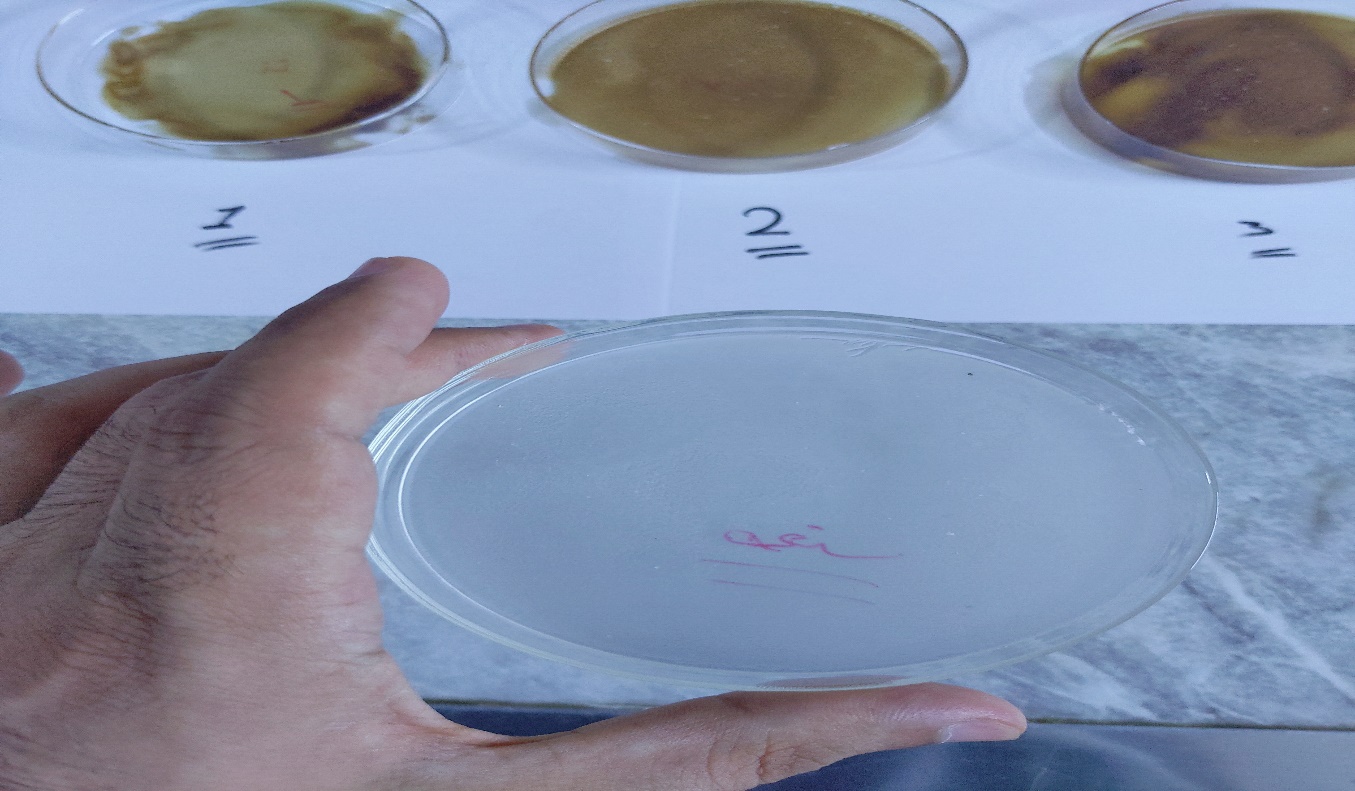
The process of pouring film solutions into glass and plastic molds.
Casting and drying edible films
Used in the process of casting solutions of various types of dishes, plastic, and glass for the purpose of conducting mechanical, reservation, and physicochemical examinations. The casting process was done by transferring the film solution to the dishes and calmly spreading the solution while moving the dish right and left on a flat surface to ensure uniform and consistent distribution with the use of the rod to ensure that the solution-containing dish is equal to the stable surface. The dishes are left at room temperature for 20 - 24 hours, then the wrappers are removed after making sure they are dry, placed in polyethylene bags, and kept in the refrigerator until checked.
Statistical analysis
The Statistical Analysis System -SAS (SAS, 2012), was used to analyse data to study the impact of different transactions on the characteristics studied according to a full random CRD design.
Results and Discussions
Chemical composition of seeds and insulated thermic protein and protein insulated for thrush
Among the Table 2 the results of estimating the chemical composition of sweet white lupus seeds from (moisture, protein, fat, ash, fiber, carbohydrates) were (12.07, 30.11, 4.36, 3.31, 15.20, 34.95 %) respectively. The results are observed to be different from what found, for chemical composition, which was (9.12, 36.4, 9.56, 2.14, 22.34, 20.44)% respectively. This difference can be caused by different origin of seeds, agricultural conditions, environmental factors, storage conditions and the results from the Table 2. The proportions of the chemical composition components of the LPI insulated (1.7, 91.47, 1.56, 3.1, 0.994, 1.176)%, respectively. These results differ from what found. The ratio of fat 0.9% and ash 0.8%. The ratio of protein in isolation was close to 92.3%. The reason for this variation is due to extraction conditions, protein deposition conditions and different plant cultivation conditions. Table 3 also illustrates the chemical composition of the commercial isolation of WPI proteins as the protein exceeded the rest of the ingredients and reached 90 %, while humidity was 2.72 %, fat 0.62 %, ash 3.67 %, fibre 0.92% and carbohydrate 2.07 %. It is noted from the results that they differ from what was found .
Table 2: Chemical composition of seeds and insulated Lymph, insulated and sprinkled protein.
| Models | Moisture% | Fat% | Protein% | Ash% | Fibre% | Carbohydrates% |
|---|---|---|---|---|---|---|
| Thermos Seed | 12.07 | 30.11 | 4.36 | 3.31 | 15.20 | 34.95 |
| Lymph protein Insulated (LPI) | 1.7 | 1.56 | 91.47 | 3.10 | 0.994 | 1.176 |
| Commercial of whey Protein Insulation (WPI) | 2.72 | 0.62 | 90 | 3.67 | 0.92 | 2.07 |
| Value of L.S.D | 0.021 | 0.062 | 0.035 | 0.013 | 0.042 | 0.054 |
Table 3: Functional properties of LPI Lymph protein isolate.
| Functional Characteristics | water portability WH | Lipid portability FH | LSD |
|---|---|---|---|
| Insulated Lymph Protein | 0.312 ml/g | 1.273 ml/g | *0.337 |
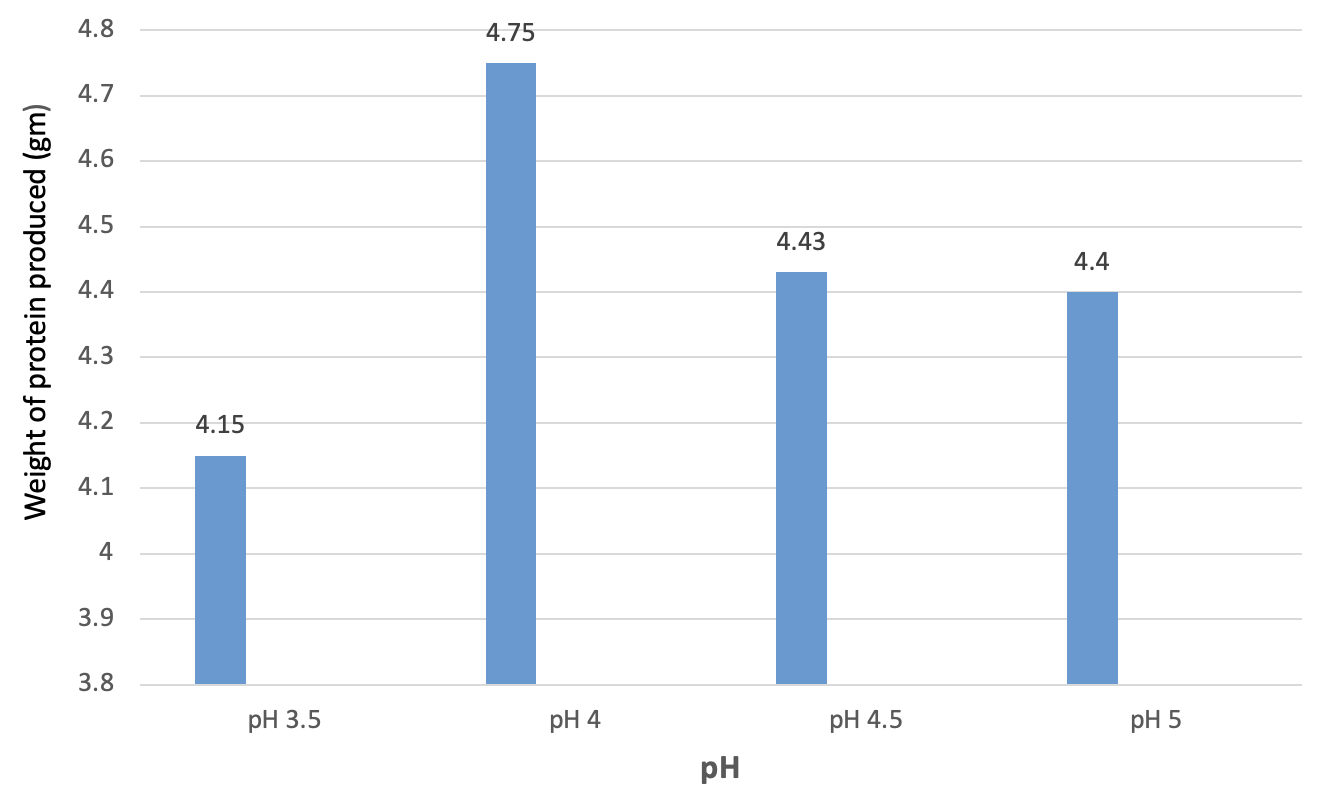
Transactions at pH for isolated deposition of LPI. * The figures represent an average of three repeats.
Determining the optimal pH for protein deposition
Figure 2 notes that there are moral differences (P≤0.05) between transactions where pH was best (4) for isolated deposition of LPI and its isolated amount was 4.75 g compared to the rest of the hydrogen numbers under study pH 5, 4.5, 3.5) (which were (4.4, 4.43, 4.15 g respectively, while the protein ratio in LPI (91.47%) and these results were consistent with and It was found that protein in LPI (92.3, 91.1)% LPI, respectively, and in v/w 10:1 mixing ratio (seed powder: water). Gustavo et al. (2012) indicated the ratio of protein obtained from LPI is 89.20% when depositing in, 4 pH and 85.52% when depositing in 5 pH, and these results varied with . The best pH for insulating LPI and SPI soybean insulation is found to be at 4.5 pH and at 85.2, 89.7%, respectively. Note that LPI insulates exceeds LPI on soybeans. SPI and Schlegel et al Seeds: Water). The reason for these differences can be attributed to extraction conditions, different melting and deposition conditions of protein, the quality of the legume crop, and the nature of plant proteins in general.
Functional properties (LPI)
Table 3 shows the results of some functional properties of the LPI protein isolation, where the water portability of the LPI protein was 0.312 ml/g and the lipid portability was 1.273g/ml, which is the lowest found . in its study of the LPI protein isolation which found that 8.9ml/ Portability was 2.9ml. The reason for this is that the portability of water varies according to the quality of the protein when isolated from the rest of the ingredients by basal treatment, and that the dissolution of protein in these basal conditions results in a protein nitrate and a change in the portability of water. It has been observed by Kebede and Tefera (2023). that the insulation of LMP in lipid absorption exceeds the insulation of LMP as high as 1.9, 2.8 ml/g, respectively.
Enzyme extraction
The Transglutaminase enzyme (TGase) was extracted from three plant sources, including chard, radish and arugula. Figure 3 illustrates the extraction results using the Tris-HCL extraction solution with a concentration of 0.1M and a pH of 8. The source of the chard outperformed the horseradish and arugula, and the results of the enzymatic effectiveness were 7.94 units/mL. This result exceeded the comparison of the horseradish and arugula plant, as the enzymatic effectiveness was 4.34 units/mL.. 2.76 units/ml, respectively; these results came in line with the results obtained as the enzyme efficacy of the enzyme (TGase) extracted from the chard reached 9.02 units/ml.
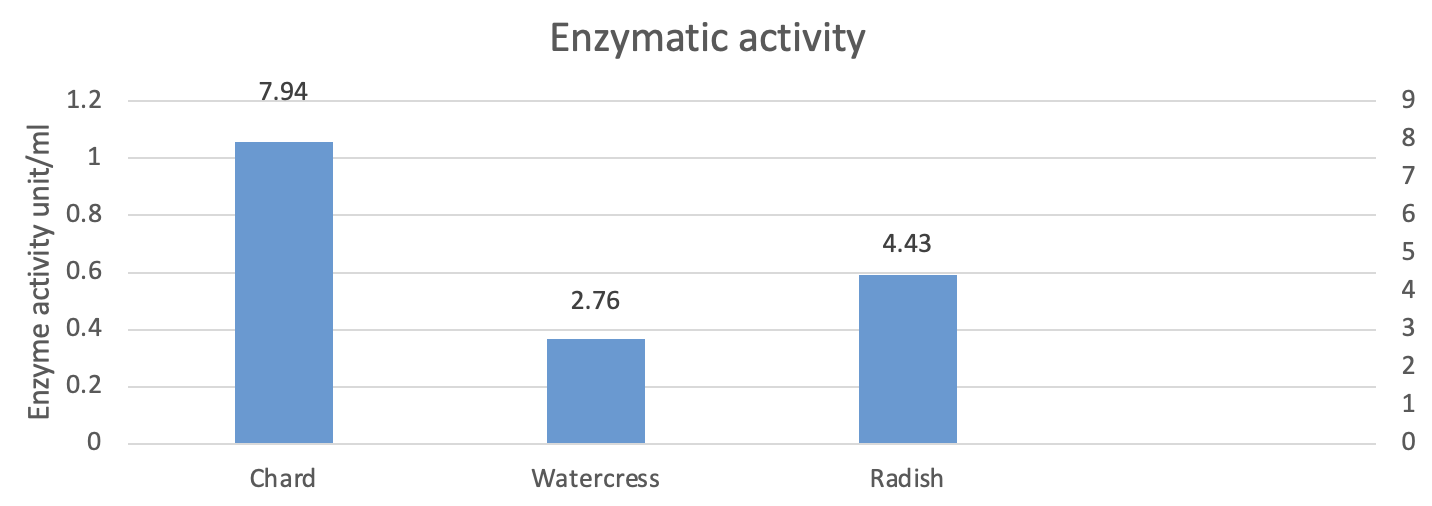
Enzymatic effectiveness of Transglutaminases enzyme extract from plant sources. * The figures represent an average of three repeats.
Purification enzyme
Ammonium sulfate deposition
The raw enzyme extract was concentrated in the Salting-out method using solid ammonium sulfate. To achieve optimal sedimentation satisfaction, gradual satisfaction ratios were tested between 20% and 90%, and enzyme effectiveness was investigated in the protein deposit, as a gradual increase in enzyme effectiveness was observed. (TGase) in the resulting deposit with a decrease in enzyme effectiveness in the resulting leach up to a satisfaction ratio of 20-60% at which the maximum enzymatic effectiveness of the enzyme in the sediment was achieved, as well as the procedure of dielzate that increased the concentration of the enzyme (TGase). This step gave an enzymatic efficacy of 24 units/ml.
Edible film properties
General description of prepared films
Four types of film (T1, T2, T3, T4) Which was represented by (T1) the film prepared from lupine protein isolate without adding enzyme, (T2) the film prepared from sharsh protein isolate without adding enzyme, (T3) the film prepared from lupine protein isolate fortified with the enzyme Transglutaminases extracted from chard, and (T4) the film prepared from lupine protein isolate fortified with the enzyme commercial Transglutaminases, all of which attended the same total amount of protein used in the preparation of films as well as the same ratio of plasticizer and pH of the solution for the purpose of studying changes in films by mechanical and reservation tests. The prepared film was easily separated from the dishes, as shown in the form of (3-3), as well as a lack of smell and taste. This is consistent with what . found during his study on the protein films of the protein isolator of Lemus seeds when using the 8% protein and the pH of the solution 10, as well as the same 40% for each single gram of protein
Mechanical and barrier properties of prepared films
Thickness film
There is an important relationship between film thickness and other film properties such as water vapour permeability inspection (WVP), tensile (TS), elongation (EL) and other characteristics, and the characterization of prepared film s as homogeneous as not containing bubbles, Table 3 shows the diversity of Thicknes measurements in simple differences depending on the type of protein isolator used to prepare the film and the added enzyme at 0.091, 0.086, 0.080, and 0.085 mm for T1, T2, T3, and T4 transactions, respectively, where Thickness measurements of film s modified by commercial Transglutaminase enzyme and enzyme extracted from the chard plant decreased. This decrease in thickness may be due to transverse binding. The intersectional linkage provided by the enzyme reduced the moisture content of the films and reduced the thickness. The thickness is closely linked to the transparency of the wrapping since the lower the coating thickness, the greater the transparency and the greater the acceptability of the coating. These results were consistent with those obtained (Figure 4).
The process of removing the film from glass and plastic molds.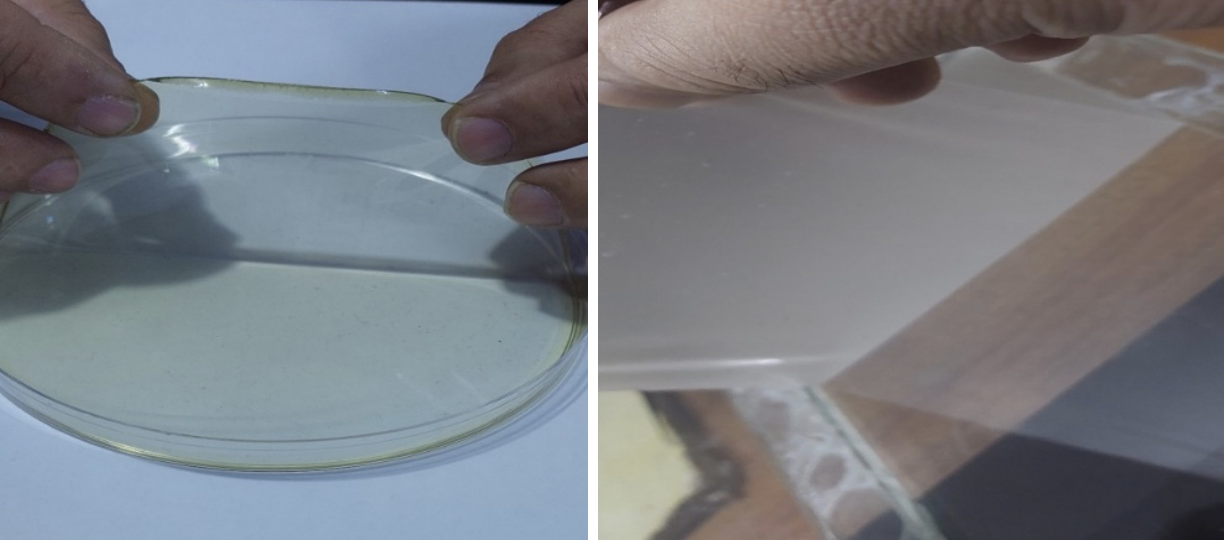
Tensile (TS)
Tensile strength refers to the maximum tensile stress that the film can withstand during trading, storage, and transportation. Table 4 shows an increase in the tensile strength of films modified by commercial Transglutaminases and enzymes derived from the chard plant, as we note an increase in the tensile strength of T3 and T4 films to 8.30. 8.52 Mica Pascal respectively, This increase in tensile strength is consistent with what they have come up with .Enzyme tensile strength increased from 3.97 micaPascal to 4.02 and this increase is likely to be due to the intersectional binding achieved by the enzyme as a highly flexible gel component and is likely to be caused by the formation of enzyme-induced gel to vary like the free amino acids found in the protein, Notes from Table 4 that there are moral differences (P≤0.05) without the presence of enzyme for T1 and T2 transactions the tensile strength was 5.42, 6.14 Mica Pascal respectively, this result outperformed what . found in his study on protein film s prepared from the protein isolator of the thrush because it was the result of the tensile force of the film s 4.9 Mica Pascal. These results are an extension of what . found in his study on protein films prepared from the protein isolate at a pressure of 6.01 Pascal.
Table 4: Film T1 represents the prepared film of the insulated Lymph protein without adding enzyme, T2 the prepared film of the insulated herbal protein without adding enzyme, T3 the prepared film of the insulated Lymph protein supported by the enzyme Transglutaminase extracted from the chard, T4 the prepared film of the insulator of insulated tractamine protein supported by tractamine.
| Cover Type | Thickness | Tensile (TS) | Elongation (EL) | Water Vapor Permeability WVP |
|---|---|---|---|---|
| T1 | 0.091 | 5.42 | 39.6 | 6.98 |
| T2 | 0.086 | 6.14 | 31.1 | 5.12 |
| T3 | 0.080 | 8.30 | 40.30 | 6.18 |
| T4 | 0.085 | 8.52 | 59.6 | 6.94 |
| Value of L.S.D | 0.045 | 0.037 | 0.031 | 0.011 |
*The numbers represent the rate for repeaters.
Elongation (EL)
The pre-cut elongation ratio, which measures the amount a film stretches before breaking, reflects the ratio of change in the original length before an external interruption . Table 4 displays elongation results for films made from various protein sources. Significant differences were observed (P≤0.05), notably when comparing the use of a protein insulator with the thrush-based insulated film and Lymph protein for T1 and T2 treatments, resulting in elongation values up to 39.6% and 31.1%, respectively. These findings were similar to those previously reported . The decrease in percentage elongation may be due to the isolated binding of water molecules to the proteins. The higher the ratio of storage protein (such as gliadin or other cereal proteins) and the proportion of soybean protein in the preparation solutions, the lower the film elongation; this is attributed to increased water binding by the protein mixture, which enhances the film’s structural integrity due to greater polymer cohesion . Notably, significant differences in elongation were seen when films were modified with enzymes: films treated with enzyme extracted from the chard plant and with commercial Transglutaminase (an enzyme that catalyzes crosslinking between protein molecules) showed increased elongation for the T3 and T4 treatments, up to 40.30% and 59.6%, compared to films without enzyme addition. This is because Transglutaminase promotes the formation of either homopolymers (if one type of protein is present), resulting in a network with high water retention ability, or heteropolymers (if multiple protein types are present), resulting in a network with a diverse set of functional properties .
Water vapor permeability (WVP)
The water vapour permeability factor (WVP) is a highly important examination because it is closely associated with the moisture factor and its impact on providing conditions for microbiological growth in foods. Therefore, the extent to which water vapour moves out of or into encapsulated food is a key means by which quality and shelf life can be controlled. The lower the value of WVP, the less water vapour passes to and from encapsulated food, resulting in higher quality and longer shelf life . Results are shown in Table 4 for films manufactured from different protein sources. These results show low water vapour permeability for films with higher protein ratios, and a decrease with Lymph proteins at 6.98 and 5.12 g·mm/cm2·Pascal·day for T1 and T2 transactions, respectively. This may be due to the high-water retention of arterial proteins compared to soybean proteins, resulting in reduced distance between protein molecules as arterial protein concentrations increase. Additionally, heat treatment at 70°C and pH 10 increases protein dissolution, further decreasing the distance between molecules while forming bonds involved in casing formation, thereby reducing film permeability to vapour . Table 4 also shows that adding the enzyme improved film permeability. The presence of an enzyme derived from chard and a commercial enzyme lowered water vapour permeability values for T3 and T4 transactions, at 6.18 and 6.94 g/cm2·Pascal·day, respectively. The enzyme from chard produced lower permeability values than the commercial enzyme. These findings align with those in . where a decrease in water vapour permeability was observed with the transglutaminase enzyme. Transglutaminase acts by interacting between carboxyl groups of glutamine (an acyl donor) and amino groups of glutamines, leading to acyepine formation. This increases binding and interconnectedness, thereby improving the functional properties and water vapor barrier of films in the presence of the enzyme .
Conclusions
The enzymatic effectiveness of the TGase enzyme extracted from the chard plant exceeds the partial purification of the TGase enzyme using ammonium sulfate and film permeability using dielzate bags, as it has increased the enzymatic effectiveness of the enzyme. The protein films supported by the TGase enzyme extracted from the chard plant outperformed the protein film s without the presence of the enzyme in terms of the mechanical and rheological properties of the films.
Novelty Statement
The novelty of this study lies in the development and evaluation of an edible coating with improved functional properties, aiming to enhance food quality, extend shelf life, and provide a sustainable alternative to conventional food packaging materials.
Author’s Contribution
Ihab Mahmood Abdulhadi: Developed the project concept and design, prepared the research methodology, and conducted experiments. Afaf A. Ayoub Alsabagh: Collecting, organizing, and analyzing data. Ali Ahmed Mohammed: Statistical analysis of the results.
Acknowledgments
We would like to express our deepest gratitude to the University of Technology- Iraq for carrying out the research.
Conflict of Interest
The authors declare that there is no conflict of interest.
References
- Abdalrazeq, M., Aref, D., Mariniello, L. and Giosafatto, C.V.L., 2025. Microbial Transglutaminase-Mediated Modification of Heat-Denatured Whey Proteins for the Preparation of Bio-Based Materials. Coatings, 15(1): 66.
- Al-Hassani, Hala Abdel Wahed. 2021. Extraction and purification of the transglutaminase enzyme from some plants and its use in the manufacture of sausages. College of Agriculture - University of Basra – J. Human Nat. Sci., 8:322-330.
- Al-Juwaibrawi, Abdel-Rida Ati. 2021. Production, purification and characterization of the transglutaminase enzyme from the local isolate of Streptomyces smyrnaeus Ati-92 and its use in some food products. Doctoral thesis - College of Agriculture - University of Basra.
- Al-Saadi, Muhammad Qasim. 2020. Preparing modified edible films from isolated lupine proteins and using them in coating meat chicken tablets. Master’s thesis - College of Agriculture - University of Baghdad.
- Al-Saadi, M.Q., 2020. Preparing modified edible films from isolated lupine proteins and using them in coating meat chicken tablets. Master’s thesis - College of Agriculture - University of Baghdad.
- AOAC, 2008. Official Methods of Analysis, 13th ed. Association of Official Analytical Chemists, Washington, D.C.
- Cacak-Pietrzak, G., Sujka, K., Księżak, J., Bojarszczuk, J. and Dziki, D., 2023. Sourdough wheat bread enriched with grass pea and lupine seed flour: Physicochemical and sensory properties. Appl. Sci., 13(15): 8664.
- Cheng, S., Wang, W., Li, Y., Gao, G., Zhang, K., Zhou, J. and Wu, Z., 2019. Cross-linking and film-forming properties of transglutaminase-modified collagen fibers tailored by denaturation temperature. Food Chem., 271: 527-535.
- Cruz-Diaz, K., Cobos, Á., Fernández-Valle, M.E., Díaz, O. and Cambero, M.I., 2019. Characterization of edible films from whey proteins treated with heat, ultrasounds, and/or transglutaminase. Application in cheese slices packaging. Food Packag. Shelf Life, 22: 100397.
- Del, C. B.B, S., Mani-López, E., Palou, E. and López-Malo, A., 2017. Antimicrobial activity of whey protein films supplemented with Lactobacillus sakei cell-free supernatant on fresh beef. Food Microbiol., 62: 207-211.
- Erin J. Hopkins, Andrea K. Stone, Jiapei Wang, Darren R. Korber, Michael T. Nickerson,2019. Effect of glycerol on the physicochemical properties of films based on legume protein concentrates: A comparative study. J. Texture Stud., 50: 539-546
- Estela, P. L., 2014. Influence of the addition of lupine protein isolate on the protein and technological characteristics of dough and fresh bread with added Brea Gum. Food Sci.Technol, Campinas, 34(1): 195-203.
- Galus, S., Arik Kibar, E. A., Gniewosz, M. and Kraśniewska, K., 2020. Novel materials in the preparation of edible films and coatings—A review. Coatings, 10(7): 674.
- Galus, S. and Kadzińska, J., 2016. Moisture sensitivity, optical, mechanical and structural properties of whey protein-based edible films incorporated with rapeseed oil. Food Technol. Biotech., 54(1): 78-89.
- Gunal Koroglu, D. and Kabanoglu, E., 2024. Plant protein-based edible films and the effect of phenolic additives. Crit. Rev. Food Sci. Nutr., pp. 1-21.
- Gustavo, G., Jose´ M., Marcelo K., Ieˆda A., Jose´ A., ´ Paschoal B. and Fernando L., 2012. Thermal studies on protein isolates of white lupin seeds (Lupinus albus. J Therm Anal Calorim 108:141–148.
- Kebede, Y. S. and Tefera, T. F., 2023. Isolation of isoelectric points and characterization of proteins from lupine cultivars affected by chemical and thermal treatments. Helion, 9(3).
- Khalid, I. I. and Elhardallou, S.B., 2019. Physico-chemical properties and fatty acids composition of bitter and sweet lupine seed. Oriental Journal of Chemistry, 35(3):1148-1153.
- Lu, B., Kasapis, S. and Ferhnke, A., 2021. Lupine protein: isolation and functional technical properties, a review. Food Hydrocolloids, 112: 106318.
- Mierlita, D., Simeanu, D. L., Pop, I. M., Criste, F., Pop, C., Simeanu, C. and Lup, F., 2018. Chemical composition and nutritional evaluation of the lupine seeds (Lupinus albus) from low-alkaloid varieties. Revista de Chemie,69(2):453-458.
- Brewer, J.M., 1974. General techniques: preparation of materials. Experimental Techniques in Biochemistry. Prentice-Hall, Englewood Cliffs, NJ, pp.1-9.
- Ihab, M.A., Shakkak, M. A., El-Balloula, M. F. M. and Dosh, K. S., 2021, May. Preparation of edible casings with natural biological characteristics from green tea extract. J. Phys. Conference Series, 1895: 012043.
- Ihab M.A., Mahdi A.S. and Kifah S.D., 2023. Study of the Physicochemical and Microbiological Properties of Mozzarella Cheese Coated with Edible Casings Subsidized with Green Tea. J. Appl. Sci. Nanotechnol., 3: 151-163.
- Mohammad Zadeh, E., O'Keefe, S.F., Kim, Y.T. and Cho, J.H., 2018. Evaluation of enzymatically modified soy protein isolate film forming solution and film at different manufacturing conditions. J. Food Sci., 83(4): 946-955.
- Seiwert, K., Kamdem, D.P., Kocabaş, D.S. and Ustunol, Z., 2021. Development and characterization of whey protein isolate and xylan composite films with and without enzymatic crosslinking. Food Hydrocolloids, 120, 106847.
- SAS, 2012. Statistical Analysis System, User's Guide. Statistical. Version 9. 1st ed. SAS. Inst. Inc. Cary. N.C. USA.
- Kumar, L., Ramakanth, D., Akhila, K. and Gaikwad, K. K., 2022. Edible films and coatings for food packaging applications: A review. Environ. Chem. Letters, pp. 1-26.
- Hadidi, M., Jafarzadeh, S., Forough, M., Garavand, F., Alizadeh, S., Salehabadi, A., Jafari, S. M., 2022. Vegetable protein-based food packaging films; Recent advances in manufacturing, characterization and applications. Trends Food Sci. Technol., 120, 154-173.
- Rambabu, K., Bharath, G., Banat, F., Show, P.L. and Cocoletzi, H.H., 2019. Mango leaf extract incorporated chitosan antioxidant film for active food packaging. Int. J. Biol. Macromol., 126: 1234-1243.
- Robinson, P.K., 2015. Enzymes: principles and biotechnological applications. Essays in biochemistry, 59, p.1.
- Sani, M. A., Priyadarshi, R., Zhang, W., Khezerlou, A. and Rhim, J. W., 2024. Innovative application of laccase enzyme in food packaging. Trends Food Sci. Technol., Article number. 104623.
- SAS, 2012. Statistical Analysis System, User's Guide. Version 9.1. SAS Institute Inc., Cary, NC, USA.
- Zhang, Y., He, S. and Simpson, B.K., 2017. A cold active transglutaminase from Antarctic krill (Euphausia superba): Purification, characterization and application in the modification of cold-set gelatin gel. Food chemistry, 232, pp.155-162.
- Zhang, W. and Rim, J. W., 2022. Functional edible films/coatings integrated with lactoperoxidase and lysozyme and their applications in food preservation. Food Contr., 133: 108670.

Services
Article usage statistics
Loading…
Related articles
- Enhancing Physicochemical Properties of Chicken Sausage Through Transglutaminase and White Sorghum IncorporationJournal of Animal Health and Production · 2025
- Development of Whey-Chitosan Edible Films with Yellow Pumpkin ExtractAdvances in Animal and Veterinary Sciences · 2025
- Isolation and Characterization of Angiotensin I Converting Enzyme (ACE) Inhibitory Peptides from Rice Bran Proteins and Evaluation of Activity and StabilityPakistan Journal of Zoology · 2020
- Studies on Effect of Addition of Date Pit Powder and Soy Protein Isolate on Physicochemical Properties of Date BarsSarhad Journal of Agriculture · 2021
- Functional Properties of Chemically Modified Cowpea Protein Isolates Effects of Reagent Type and ConcentrationSarhad Journal of Agriculture · 2025
- Production of Single Cell Microbial Protein and its Use as Protein Source in Broiler RationPakistan Journal of Zoology · 2021