
Many medicinal plants have been utilized globally for the treatment of various systemic and non-systemic illnesses. However, only a limited number of therapeutic flora remain in continuous use, necessitating further investigation of these medicinal plants. The present research aims to determine the antibacterial and antifungal properties of Cupressus arizonica. The research plants were collected from the University Campus, University of Peshawar. The crude extract and its fractions were examined for antibacterial and antifungal activities. Both the crude extract and different fractions of C. arizonica obtained from its leaves and bark, exhibited varying inhibition zones against the analyzed strains. The crude extract showed the highest inhibition zone against Staphylococcus aureus (18.2 ± 0.30 mm), while the chloroform fraction demonstrated a moderate zone of inhibition against S. aureus (13.7 ± 0.21 mm). The minimum inhibition zone was recorded against Salmonella typhi (8 ± 0.22 mm and 7.14 ± 0.20 mm) in ethyl acetate and chloroform fractions, respectively. The remaining extracts showed low potential against the tested strains. Findings were compared with standard drugs, which showed the highest inhibition zone (22 ± 0.10 mm). The crude extract was tested against selected fungal strains, including Alternaria solani, Fusarium solani, and Fusarium oxysporum. The results indicated that the crude extract showed maximum or equivalent inhibition zones against all analyzed strains, with 23 ± 0.57 mm against F. oxysporum and F. solani. The lowest inhibition zone (18.8 ± 0.54 mm) was observed against A. solani. The chloroform fraction of C. arizonica demonstrated repressed growth of F. solani, with the highest zone of inhibition (17.7 ± 0.66 mm). A moderate inhibition zone (16 ± 0.80 mm) was shown by the chloroform fraction against A. solani, while the lowest inhibition zone (4.9 ± 0.90 mm) was exhibited by the n-butanol fraction against F. oxysporum. The standard drug DOX showed the maximum inhibition among all treatments.
Research Article · Volume 32, Issue 4, Pages 285–293, 30 October 2026 · Open Access
Cupressus arizonica Greene: A High Value Medicinal Plant, its Antibacterial and Antifungal Attributes
· · · ·
Affiliations & Notes ⌄
- 1Department of Botany, University of Peshawar, Peshawar, Pakistan
- *Correspondence | Suman Nawaz; Email: sajjadahmad22@uop.edu.pk
Article Info ⌄
- Journal:
- Pakistan Journal of Weed Science Research
- Submitted Date:
- 17 July 2026
- Accepted Date:
- 5 October 2026
- Published Date:
- 30 October 2026
From the article
- The methanolic extract of W. fruticosa and A. leucophloea showed significant antibacterial activity against harmful bacterial strains, and ethanol extracts of S. indicus, B. monosperma, and M. emerginata also demonstrated significant antibacterial activity.
- This study focused on the antibacterial and antifungal properties of crude methanolic extract and derived fractions of Cupressus arizonica.
- In terms of antibacterial activity, the chloroform fraction inhibited S. aureus most effectively.
- Antifungal studies showed that the chloroform fraction inhibited A. solani with a maximum zone of 17 mm. Moreover, it is concluded that Cupressus arizonica has outstanding antibacterial and antifungal potential.
Selected from the article's own text.
Abstract
Introduction
The term “medicinal herb” refers to a broad range of plants used in floral remedies. Herbal medication involves the utilization of flora for pharmacological research purposes. Historically, the term “herb” was used only to denote non-timber plants . Medicinal flora is also employed as sources of food, medicines, and spirituality. Herbs have been used for therapeutic purposes since ancient times. Plants were mentioned in ancient Egyptian and Chinese literature and homeopathic texts. Flora has been utilized as medicine by homeopathic practitioners and hakims of Indian, Mediterranean and European cultures for more than 4,000 years, according to studies. Medicinal flora has been used for therapeutic purposes by local communities, including those of Rome, Greece, Iran, and Ethiopia, while other traditional medicinal systems such as Unani and Ayurvedic medicine regularly incorporate herbal treatments . The Indian subcontinent has been renowned among prehistoric civilizations as an affluent source of medicinal flora. In India’s AYUSH programs, approximately 8,000 herbal remedies have been enlisted. Homeopathic and Ayurvedic drugs are the most complex and are commonly utilized in these systems. Medicinal flora are considered a rich source of compounds that can be used in the formation of medicines and herbal drug preparations. Moreover, many plant species have made major contributions to the development of human civilization throughout the world. Additionally, many plants are valued for their important nutritional profiles, while others are recommended for their therapeutic characteristics ; . Research on medicinal plants for drug development has expanded to include a wide variety of problems and study techniques. In most cases, ethnopharmacologists and ethnobotanists collect and analyze the importance of plants ; . Despite the clear achievements of local medicinal research, challenges remain . The discovery of lead compounds is simply the initial stage in an extended drug development process . As a result of metabolic activities, various kinds of organic compounds are found in plants . Primary metabolites are found in almost all plants, while secondary metabolites are found in specific plant species . Approximately 25% of modern pharmaceuticals originated from traditional plant-based extracts, highlighting the relevance of ethnomedicinal knowledge to contemporary drug discovery. These include acetylsalicylic acid, digoxin, morphine, and quinine, which are derived from bioactive compounds such as flavonoids, glycosides, polyphenols, tannins, anthocyanins, carotenoids, saponins and catechins .
Plants have become a vital basis for the discovery of new medicinal compounds. Chemically, three different types of secondary metabolites are present in plants: terpenes, phenolics, and nitrogen-containing compounds . Pakistan is one of the wealthiest countries in terms of medicinal plant diversity, owing to variations in soil physicochemical profiles, climatic conditions, and wide floristic diversity . Pakistan has a diverse floristic profile with approximately 6,000 flowering plants distributed among more than 220 families, of which 600–2,000 have been tested in indigenous drugs in different parts of the country, while most species remain to be explored. An ethnobotanical and ethnomedicinal survey of the Lahore-Islamabad highway was conducted by Hassan et al. (2022). During their research work, shrubs of ethnobotanical significance in central Punjab were collected . Iqbal et al. (2021) documented ethnopharmacological research in district Gujrat, Punjab. An ethnobotanical study of plants in District Narowal and ethnobotanical information from local residents were collected by Bibi et al. (2022). Shah et al. (2020) investigated medicinal herbs to promote new plant-based therapies. Ahmad et al. (2014) explored the ethnobotanical profile of the Cholistan desert. An ethnomedicinal survey conducted in Balochistan province by Umair et al. (2017) assessed medicinal flora present in Musakhel and Barkhan districts. Due to limited access to modern health facilities, the rural inhabitants of Khyber Pakhtunkhwa, especially in backward areas, are totally dependent on plant-based treatments . Akhtar et al. (2023) conducted a similar survey and documented many important therapeutic flora and indigenous knowledge of the Kohistan Pass inhabitants of Khyber Pakhtunkhwa. Likewise, several ethnobotanical studies have been carried out in different districts of Khyber Pakhtunkhwa by various ethnobotanists.
The floral diversity of Khyber Pakhtunkhwa is very rich, particularly in its northern areas . Northern Pakistan is habitat to an enormous variety of flora due to its exceptional geographical position, with approximately 400–600 plant species having medicinal properties .
Materials and Methods
Plant collection
Cupressus arizonica Greene leaves and bark were collected from the University of Peshawar (Figure 1, Figure 2).
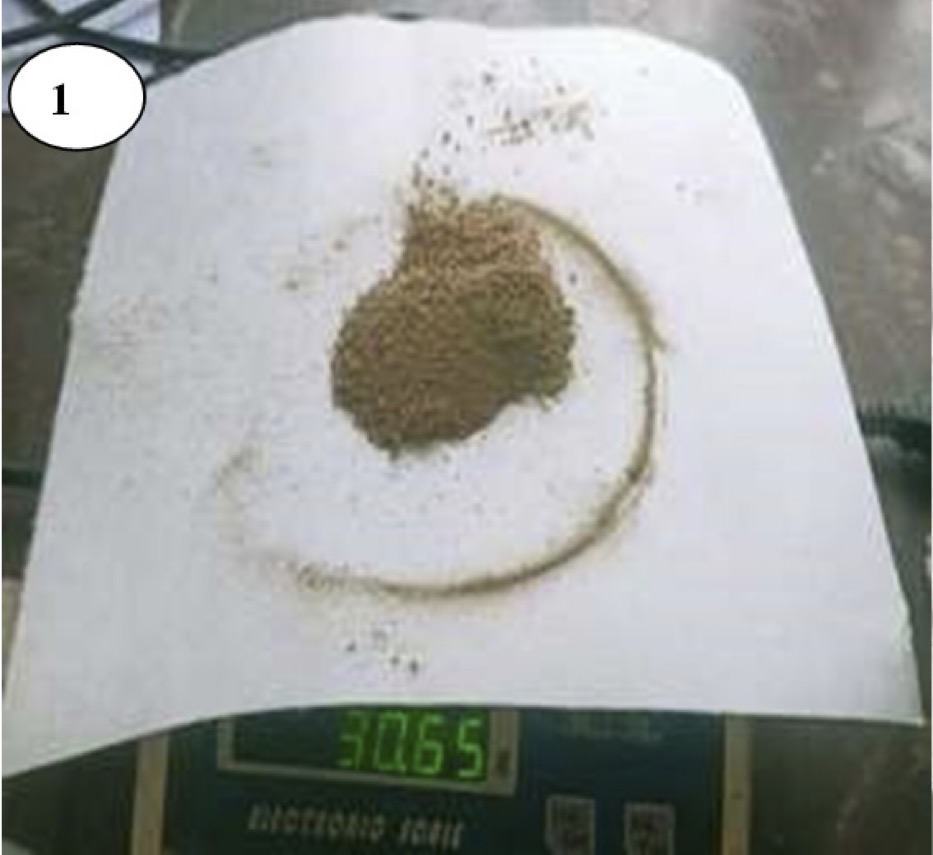
Weighing the dried leaves
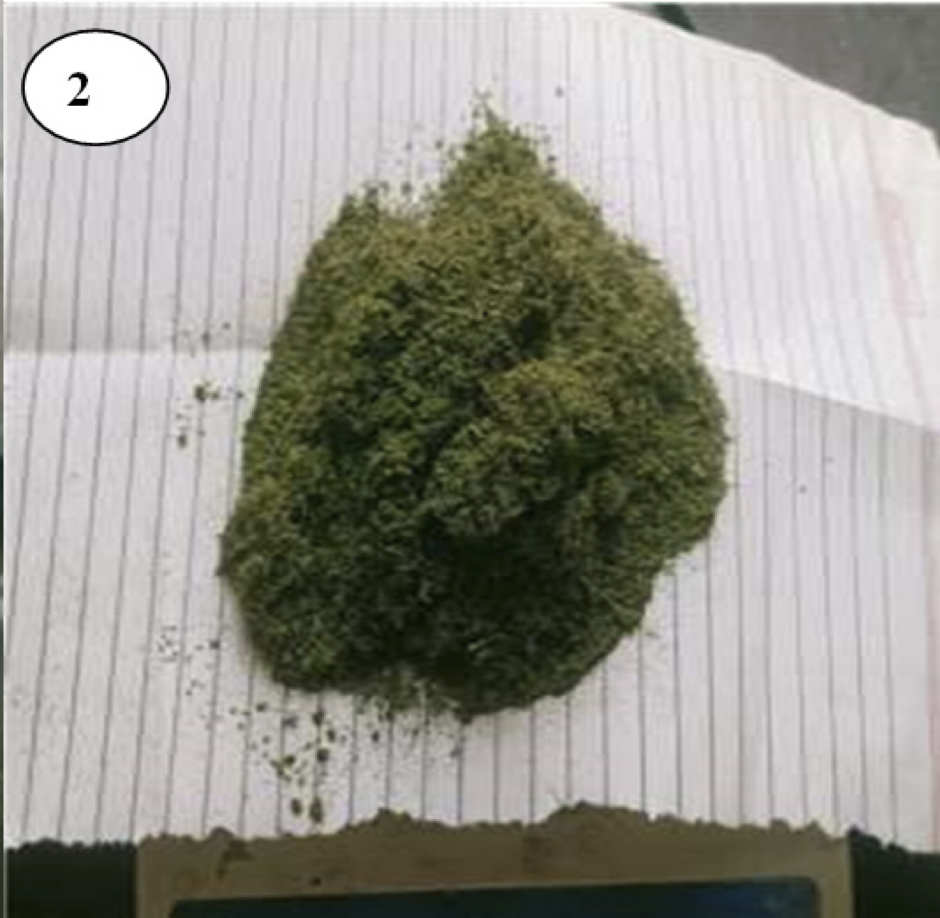
Bark powder samples of cupressus arizonica
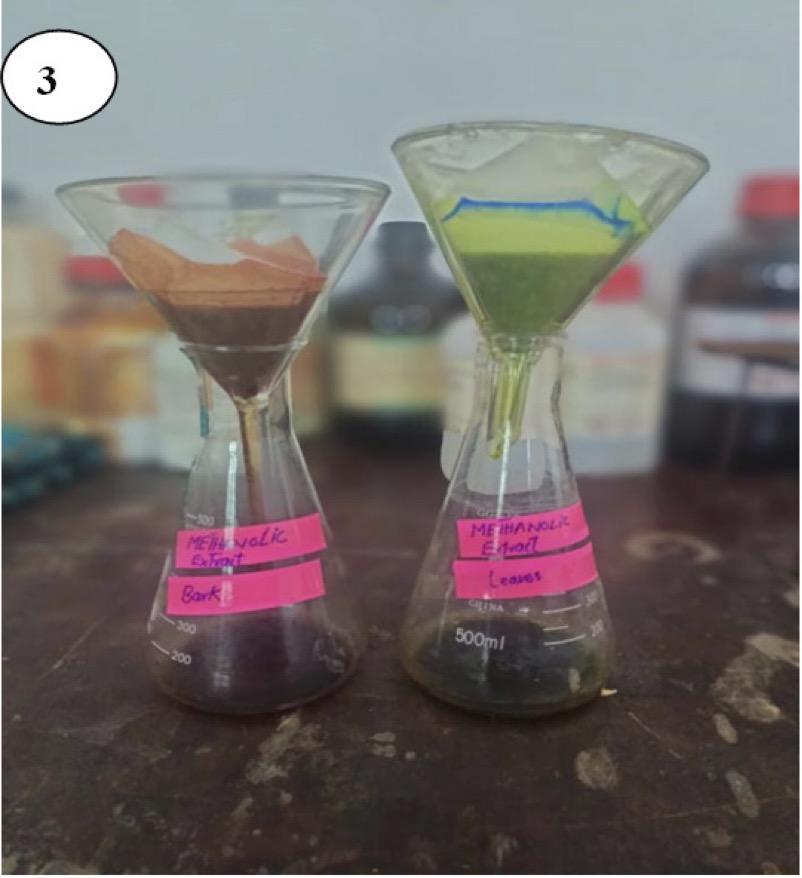
Methanolic extracpreperation: Filtration through funnel and filter paper.
Plant identification
Collected plant was identified from the Flora of Pakistan –1991; –2021) and the specimens were deposited in the herbarium of the Department of Botany, University of Peshawar. The plant samples were washed to remove dust and other contaminants. They were dried in the shade at 24°C and kept for 30 days. After shade drying, the samples were ground into powder using a grinder. The powder was then steeped in 70% methanol for two weeks for crude extract collection and subsequently fractionated into n-hexane, chloroform, ethyl acetate, n-butanol, and aqueous fractions based on polarity principles .
Laboratory analysis of filtered extract
Plant extract preparation
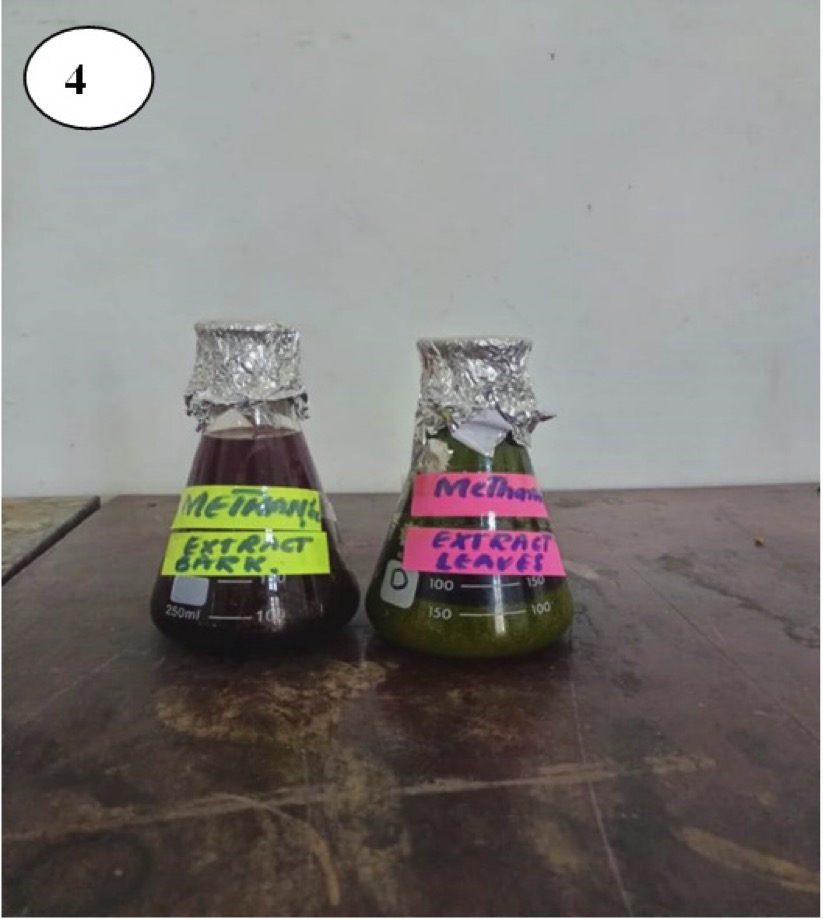
For extract preparation, 25 g of powdered sample was dissolved in 200 mL of methanol and placed on a shaker for 14 days. After shaking, the solution was filtered through filter paper to obtain the extract. The filtered extract was heated for evaporation, and the residue obtained was kept in tubes for further laboratory analysis ; . This procedure was repeated in triplicate for thirty days to obtain a sufficient quantity of powder. After three days, the sample was reduced using a rotary evaporator to produce crude extract (1.7 kg). Based on polarity, fractionation was conducted using solvent-solvent partitions. The solvents utilized were n-hexane, n-butanol, chloroform, and ethyl acetate. For the n-hexane fraction, the extract was placed in a separating funnel with n-hexane . The n-hexane filtrate was evaporated via rotary evaporation to obtain the n-hexane fraction. The same fractionation procedure was repeated to generate chloroform, n-butanol, and ethyl acetate fractions . Finally, six samples were obtained: n-hexane fraction, ethyl acetate fraction, n-butanol fraction, chloroform fraction, crude extract, and aqueous fraction, which were kept at room temperature for research analysis (Figure 3, Figure 4).
Antifungal activity
The antifungal activity against Fusarium oxysporum, Fusarium solani, and Alternaria solani was determined using Sabouraud Dextrose Agar (SDA). The growth medium was incubated at 28°C for 24 hours.
Antifungal assay
The antifungal assay was performed following the method of Kumar et al. (2019), using mycological peptone (10 g/L), glucose (40 g/L), and Sabouraud dextrose agar (15.0 g/L) at5.6 ± 0.2 PH.
Preparation of SDA medium
To dissolve SDA, 15 mg/mL was added to 1 liter of distilled water and heated for 10 minutes to sterilize the media before autoclaving at 121°C for 15 minutes.
Medium composition (g/L)
Nutrient broth was prepared by dissolving 13 g of the medium in 1 L of distilled water, followed by autoclaving at 121°C for 15 min. For antifungal assays, Sabouraud dextrose agar (SDA) was prepared by dissolving 30 g of SDA powder in 1 L of distilled water, boiling for 10 min, and autoclaving at 121°C for 15 min. The sterilized media were used for culturing the bacterial and fungal test organisms under aseptic conditions.
Procedure
Thirty grams of SDA powder were dissolved in one liter of distilled water. The solution was fully dissolved and boiled for 10 minutes before being autoclaved at 121°C for 15 minutes. The Sabouraud dextrose agar (75 mL) was poured into each 14 cm petri dish. Using a sterile cork borer, each petri dish was inoculated with a fungal species. Seven wells (8 mm diameter) were made in each plate using a sterilized borer: five for sample material, one for water (negative control), and one for antibiotic (positive control). The test solution (100 µL), positive control (Fluconazole), and negative control (distilled water) were placed in respective wells and incubated at 27°C in a paraffin oven. After one week, the inhibition zones of fungal growth around each well were measured in millimeters using a standard ruler.
Antibacterial activity
Test bacterial species
Staphylococcus aureus, Salmonella typhi, and Klebsiella pneumoniae were analyzed for antibacterial properties. Organisms were cultured on nutrient agar for subculturing. A loopful of the colony was inserted into nutrient broth and incubated for 24 hours at 37°C. Inoculum were prepared by diluting 24-hour-old cultures in sterile saline. All experimental tests followed a 1:100 ratio.
Antibacterial assay
To evaluate the antibacterial potential of the crude extract and fractions, Mueller-Hinton agar petri dishes were prepared . Each petri dish received 0.1 mL of diluted cultures and was dried at 37°C for 30 minutes. Standard discs (6 mm diameter) were utilized and were impregnated with different concentrations of plant extracts and standard antibiotics (ampicillin 1 mg and amoxicillin 1 mg). The plates were incubated for 24 hours at 37°C. Inhibition zones were measured at the end of the incubation period.
Media preparation
The bacterial Inoculum were prepared using nutrient broth medium. Thirteen grams of nutrient broth powder were dissolved in one liter of distilled water, thoroughly mixed, and autoclaved at 121°C for 15 minutes.
Statistical analysis
Data were analyzed through ANOVA using SPSS-2022 and Origin Pro-9 Statistics ; .
Results
The results of the study are classified into two categories.
Results of extraction and fractionation
Using polarity principles, the crude extract and its derived fractions were obtained from the research plant Cupressus arizonica through solvent-solvent separation. Due to prolonged operations, six samples were obtained: crude extract, n-butanol fraction, chloroform fraction, ethyl acetate fraction, n-hexane fraction, and aqueous fraction.
Biological profile
Therapeutic flora plays an important role in treating a wide range of diseases. For this purpose, antifungal and antibacterial potentials were evaluated on crude methanolic extracts and their major fractions collected from leaves and bark using modern procedures. Generally, Cupressus arizonica showed biological activity against the tested pathogens.
Effect of cupressus arizonica extracts on antibacterial activity
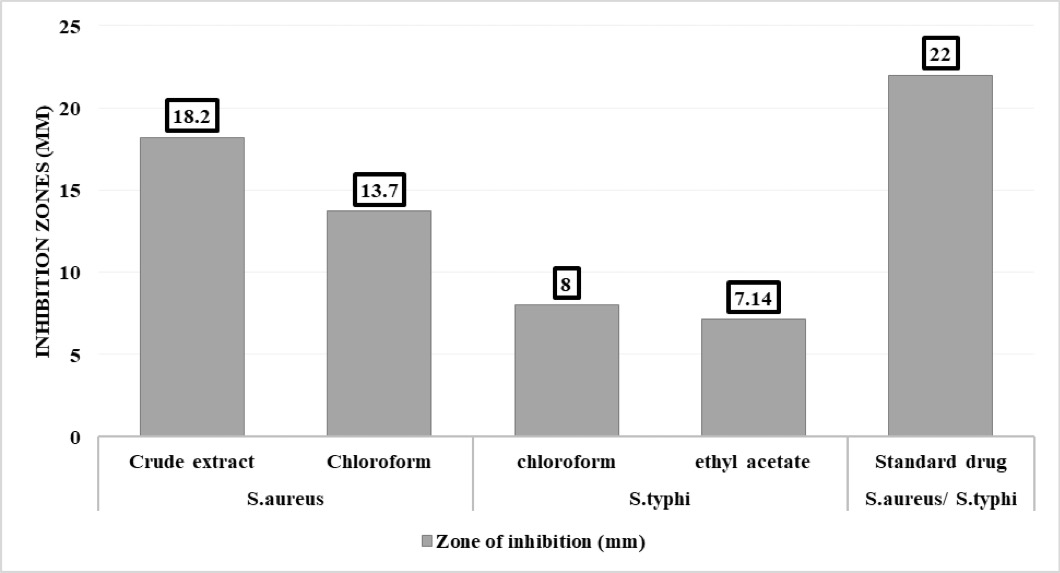
The crude methanolic extract and various fractions of Cupressus arizonica demonstrated different inhibition zones against the tested strains. The crude methanolic extract showed the highest inhibition zone (18.2 ± 0.30 mm) against Staphylococcus aureus, while the chloroform fraction showed moderate inhibition against S. aureus (13.7 ± 0.21 mm). Low inhibition zones were recorded against Salmonella typhi (8 ± 0.22 mm and 7.14 ± 0.20 mm) in ethyl acetate and chloroform fractions, respectively. The remaining extracts showed low potential against the tested strains. The outcomes were compared with standard antibiotics, which showed the highest inhibition zone (22 ± 0.10 mm) (Table 1; Figure 5).
Table 1. Zone of inhibition (mm) of bacterial strains against Cupressus arizonica extracts and standard antibiotics.
| S.No. | Strains of Bacteria | Treatment | Inhibition Zones (mm) |
|---|---|---|---|
| 1 | Staphylococcus aureus | Crude extract | 18.2±0.30 |
| Chloroform | 13.7±0.21 | ||
| 2 | Salmonella typhi | chloroform | 8±0.22 |
| ethyl acetate | 7.14± 0.20 | ||
| 3 | Staphylococcus aureus/ Salmonella typhi | Standard drug | 22±0.10 |
Representing zone of inhibition of bacterial strains against the treatments
Bioassay for antifungal activity
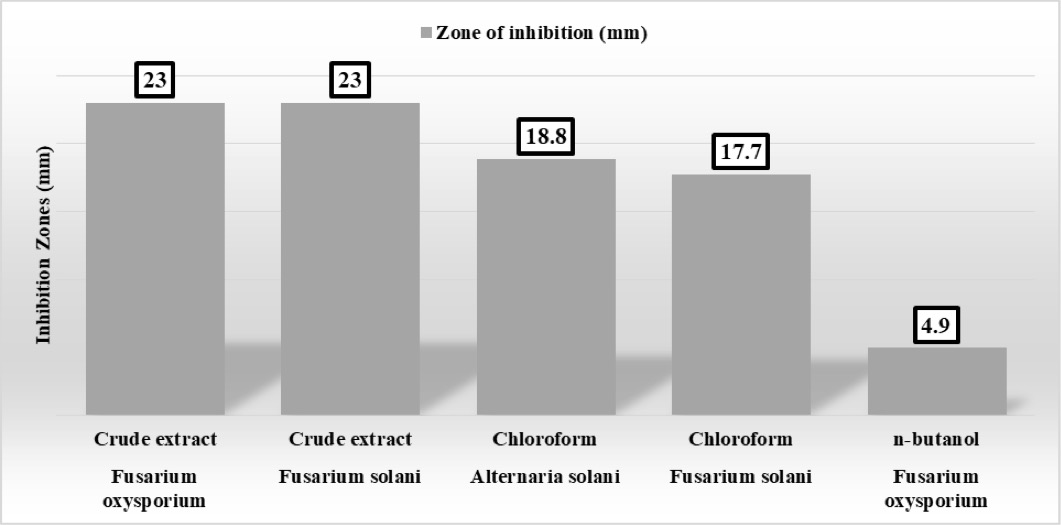
The methanolic extract and fractions of Cupressus arizonicawere evaluated against the preferred strains of fungi. Alternaria solani, Fusarium solaniand Fusariumoxysporum. The outcomes indicate that methanolic extract of Cupressus arizonicademonstrate maximum and equal inhibition’s zones versus all the experimental strains with 23 ± 0.57 mm versus Fusariumoxysporum and Fusarium solani. The low inhibition zone 18.8 ± 0.54 mm was highlight by Alternaria solani. Among the chloroform extract fractions, Cupressus arizonicahighlight inhibited growth of Fusarium solaniwith highest inhibition zone 17.7 ± 0.66 mm respectively. Mediuminhibition zone 16.9 ± 0.80 mm was demonstrated by fraction of chloroform versus Alternaria solaniand the low inhibition zone 4.9±0.90 mm was indicated by fractions of n-butanol versus Fusarium oxysporum. No activity was shown by water. The standard drug showed maximum among the all (Table, 2; Figure 6).
Table 2. Zone of inhibition (mm) of fungal strains against Cupressus arizonica extracts and standard fungicide.
| S.No | Fungal strains | Treatment | Zone of inhibition (mm) |
|---|---|---|---|
| 1 | Fusariumoxysporum | Crude extract | 23 |
| 2 | Fusarium solani | Crude extract | 23 |
| 3 | Alternaria solani | Chloroform | 18.8 |
| 4 | Fusarium solani | Chloroform | 17.7 |
| 5 | Fusarium oxysporum | n-butanol | 4.9 |
Zone of inhibition (mm) of fungal strains treated with Cupressus arizonica extracts and standard fungicide
Discussion
Cupressus arizonica Greene (Arizona cypress) is an evergreen tree of the family Cupressaceae, a drought-tolerant conifer native to the southwestern United States (Arizona, Texas) and Mexico. C. arizonica is not native to Pakistan but has been introduced and is grown primarily in Balochistan, Islamabad, NathiaGali, and some areas of Khyber Pakhtunkhwa. It grows in dry rocky soil at elevations ranging from 900 to 2,400 meters. The tree has a conical shape, bluish-green aromatic foliage, and reddish-brown bark on mature trees that peels in strips. It reaches a height of 10 to 25 m and is often planted for timber, windbreaks, and erosion prevention . Plants of mountainous regions contain purgative and wound-healing characteristics . Our investigations are consistent with previously published literature from different regions . Various researchers have previously recorded the antibacterial potential of plants to provide a baseline for phytochemists when designing new medicines. The disc diffusion method was utilized to evaluate the antibacterial potential of plant components against standard cultures of Staphylococcus aureus, Pseudomonas aeruginosa, Salmonella typhi, Escherichia coli, and Klebsiella pneumoniae. In methanol extract, the MIC for E. coli, B. cereus, and Klebsiella was 300 µg/mL. S. aureus was the most susceptible test pathogen to the plant extract studied. The methanolic extract of Butea monosperma was investigated and found to be an effective antibacterial agent against S. typhi, E. coli, and S. paratyphi. S. typhimurium, P. vulgaris, and K. pneumoniae showed reasonable sensitivity against Shigella flexneri . The antimicrobial activity of this plant was found to be dependent on the solvent used to extract the active compounds. The techniques used for bioassays were effortless, convenient, and reasonable ways to predict and screen potential antibiotic compounds from any plant. Solvent extraction has been found to play a critical role in the extraction of active biological compounds, which has an important impact on new drug development. According to our investigations, methanolic crude extract is the most efficient solvent for extracting biological compounds from plants. These results are in accordance with previous research . However, all tested solvents were found to possess antibacterial and antifungal properties. The antibacterial properties of crude extract and chloroform against the most common bacterial strains were approximately 80%. Antifungal activity was found to exceed 50%. The crude methanolic extract was 50%–60% effective against fungal strains. Our findings are also in line with previous researchers ; . The reports of Andleeb et al. (2020) are also consistent with our investigation regarding the antibacterial activity of many plant species against various bacterial strains. The antibacterial potential of these plants was evaluated on such samples. The antimicrobial potential of plant parts was evaluated using the disc diffusion method against standard cultures of E. coli, S. aureus, E. aerogenes, S. typhi, and K. pneumoniae. The methanolic extract of W. fruticosa and A. leucophloea showed significant antibacterial activity against harmful bacterial strains, and ethanol extracts of S. indicus, B. monosperma, and M. emerginata also demonstrated significant antibacterial activity. Flavonoids, tannins, and phenolics were found in methanolic extracts of W. fruticosa and A. leucophloea . In addition, all solvents examined showed antibacterial and antifungal properties. Methanol and chloroform extracts showed antibacterial activity of roughly 80% against the most common bacterial strains, and more than 50% antifungal activity was detected.
Conclusions
This study focused on the antibacterial and antifungal properties of crude methanolic extract and derived fractions of Cupressus arizonica. Our findings demonstrated that the plant has good antimicrobial properties. In terms of antibacterial activity, the chloroform fraction inhibited S. aureus most effectively. Antifungal studies showed that the chloroform fraction inhibited A. solani with a maximum zone of 17 mm. Moreover, it is concluded that Cupressus arizonica has outstanding antibacterial and antifungal potential.
Acknowledgment
Sincerely acknowledge Dr. Fazal Hadi for his valuable contribution, scientific guidance and support throughout the research work. The authors also acknowledge the Ethnobotanical and Plant Medicinal Laboratory, Department of Botany, University of Peshawar, for providing the necessary laboratory facilities and technical support.
Novelty Statement
This study presents the first comprehensive evaluation of the antibacterial and antifungal properties of Cupressus arizonica Greene acclimated to the unique floristic region of Khyber Pakhtunkhwa, Pakistan. By systematically screening both leaf and bark crude extracts alongside five polarity-driven fractions, this research uncovers a highly potent, selective efficacy of the chloroform fraction against Staphylococcus aureus and Alternaria solani, establishing a new botanical baseline for targeted drug discovery.
Author’s Contribution
Suman Nawaz: Conceptualization, data curation, formal analysis, writing - original draft
Fazal Hadi: Supervision
Fawad Khan: Writing - review & editing
Sajjad Ahmad: Conducted the study
Alia Mehsud: Methodology, writing - review & editing
Generative AI and AI-assisted technology statement
The authors declare that no generative AI and AI assisted technology was used in the creation of this manuscript.
Conflict of interest
The authors have declared no conflict of interest.
References
- Abers, M., S. Schroeder, L. Goelz, A. Sulser, T. St. Rose, K. Puchalski and J. Langland. 2021. Antimicrobial activity of the volatile substances from essential oils. BMC Complement. Med. Therap., 21: 1-14. https://doi.org/10.1186/s12906-021-03285-3 [CrossRef]
- Ahmad, M., S. Sultana, S. Fazl-i-Hadi, T. Ben Hadda, S. Rashid, M. Zafar and G. Yaseen. 2014. An ethnobotanical study of medicinal plants in high mountainous region of Chail valley (District Swat Pakistan). J. Ethnobiol. Ethnomed., 10: 1-18. https://doi.org/10.1186/1746-4269-10-36 [CrossRef]
- Akhtar, N., S. Khalid, H.A. Jan, S. Gul and A. Ali. 2023. Ethnoveterinary study of the medicinal plants of Khar, Dheri, Julagram, Tari, and Totakan Villages of Tehsil Batkhela, Malakand, Northern Pakistan. Ethnobot. Res. App., 25: 1-19. https://doi.org/10.32859/era.25.45.1-19 [CrossRef]
- Ali, S.I., Y.J. Nasir. Flora of Pakistan. Department of Botany, Karachi of University: Karachi, 1989-1991: 191-193.
- Ali, S.I. and M. Qaiser. Flora of Pakistan. Department of Botany, University of Karachi, Pakistan, 1993-2021.
- Amjad, M.S., U. Zahoor, R.W. Bussmann, M. Altaf, S.M.H. Gardazi and A.M. Abbasi. 2020. Ethnobotanical survey of the medicinal flora of Harighal, Azad Jammu & Kashmir, Pakistan. J. Ethnobiol. Ethnomed., 16: 1-28. https://doi.org/10.1186/s13002-020-00417-w [CrossRef]
- Andleeb, S., A. Alsalme, N. Al-Zaqri, I. Warad, J. Alkahtani and S. M. Bukhari. 2020. Invitro antibacterial and antifungal properties of the organic solvent extract of Argemone mexicanaL. J. King Saud Uni. Sci., 32: 2053- 2058. https://doi.org/10.1016/j.jksus.2020.01.044 [CrossRef]
- Arman, Marvi., A.M. Alvi, A. Jan, A. Amin and K. Iqbal. 2024. Evaluation of Acute Toxicity, Anti-Inflammatory and Analgesic Effects of Ducrosiaanethifoliaon Mice. J. Health Rehabil. Res., 4(3): 1-5. https://doi.org/10.61919/jhrr.v4i3.1286 [CrossRef]
- Arribas-Lopez, E., N. Zand, O. Ojo, M.J. Snowden and T. Kochhar. 2022. A Systematic Review of the Effect of Centella asiatica on Wound Healing. Int. J. Environ. Res. Public Health., 19: 1-13. https://doi.org/10.3390/ijerph19063266 [CrossRef]
- Badukale, N.A., W.A. Panchale, J.V. Manwar, B.T. Gudalwar and R.L. Bakal. 2021. Phytochemistry, pharmacology and botanical aspects of Madhuca indica: A review. J. Pharmacog. Phytochem., 10(2): 1280-1286. https://doi.org/10.22271/phyto.2021.v10.i2q.13987 [CrossRef]
- Barrett, P., M.N. Gladstone, T.A. Kassum, V. Suri, D.J. Li, D. Sun and B. Dolinski. 2022. U.S. Patent No. 11,446,398. Washington, DC: U.S. Patent and Trademark Office.
- Bhattacharjee, I., S.K. Chatterjee, S. Chatterjee and Chandra. 2006. Antibacterial potentiality of Argemone mexicanasolvent extracts against some pathogenic bacteria. Memórias do Instituto Oswaldo Cruz, 101: 645-648. https://doi.org/10.1590/S0074-02762006000600011 [CrossRef]
- Bibi, F., Z. Abbas, N. Harun, B. Perveen and R.W. Bussmann. 2022. Indigenous knowledge and quantitative ethnobotany of the Tanawalarea,Lesser Western Himalayas, Pakistan. PloS one., 17: 604-614. https://doi.org/10.1371/journal.pone.0263604 [CrossRef]
- Bilal, M., J. Ali, M. Y. Khan, R. Uddin and F. Kanwal. 2021. Synthesis and characterization of activated carbon from Capparis deciduasfor removal of Pb (II) from model aqueous solution: kinetic and thermodynamics approach. Desalin. Water Treat., 221: 185-196 https://doi.org/10.5004/dwt.2021.27041. [CrossRef]
- Gogoi, B., P. Chowdhury, N. Goswami, N. Gogoi, T. Naiya, P. Chetia and P.J. Handique. 2021. Identification of potential plant-based inhibitor against viral proteases of SARS-CoV-2 through molecular docking, MM-PBSA binding energy calculations and molecular dynamics simulation. Molecul. Divers., 25: 1963-1977. https://doi.org/10.1007/s11030-021-10211-9 [CrossRef]
- Gorlenko, L., H.Y. Kiselev, E.V. Budanova, J.A.A. Zamyatnin L.N. Ikryannikova. 2020. Plant secondary metabolites in the battle of drugs and drug resistant bacteria: new heroes or worse clones of antibiotics. Antibiot., 9: 170-182. https://doi.org/10.3390/antibiotics9040170 [CrossRef]
- Hassan, I., I. Mushtaq, W.Y. Raja and Z.A. Bhat. 2022. A Review on Ethnomedicinal, Phytochemistry and Pharmacological Activities of Rumex hastatus D. Don. Edible Plants in Health and Diseases: Volume II: Phytochem. Pharmacol. Propert., 205-248. https://doi.org/10.1007/978-981-16-4959-2_6 [CrossRef]
- Howes, M.J.R., C.L. Quave, J. Collemare, E.C. Tatsis, D. Twilley, E. Lulekal, E.N. Lughadha. 2020. Molecules from nature: Reconciling biodiversity Conservation and global health care imperatives for sustainable use of medicinal plants and fungi. Plants, People, Planet, 2: 463-481. https://doi.org/10.1002/ppp3.10138 [CrossRef]
- Hussain, A. 2020. A Preliminary Up-To-Date Review on Pakistani Medicinal Plants with Potential Antioxidant Activity. RADS J. Biol. Res. Appl.Sci., 11: 61-88. https://doi.org/10.37962/jbas.v11i1.275 [CrossRef]
- Iqbal, M.S., K.S. Ahmad, M.A. Ali, M. Akbar, A. Mehmood, F. Nawaz and R.W. Bussmann. 2021. An ethnobotanical study of wetland flora of Head Maralla Punjab Pakistan. Plos one., 16: 167-178. https://doi.org/10.1371/journal.pone.0258167 [CrossRef]
- Ishtiaq, M., H. Khanum, I. Hussain, A. Parveen, M. Maqbool, S. Thind and H.O. Elansary. 2022. Ethnobotanical inventory and medicinal perspectives of herbal flora of Shiwalik mountainous range of District Bhimber, Azad Jammu and Kashmir, Pakistan. Plos one., 17: 5028-50442. https://doi.org/10.1371/journal.pone.0265028 [CrossRef]
- Kamble, S.S ans R.N. Gacche. 2019. Evaluation of anti-breast cancer, anti-angiogenic and antioxidant properties of selected medicinal plants. Europ. J. Integrat. Med., 25: 13-19. https://doi.org/10.1016/j.eujim.2018.11.006 [CrossRef]
- Khalid, M.U., M.T. Sultan and S.I.R.O. koduwa. 2026. Ethnobotanical survey and therapeutic ranking of medicinal plants in Muzaffargarh, Pakistan: From traditional use to research priority. Ethnobot. Res. Appl., 33: 45, 1-43. https://doi.org/10.32859/era.33.45.1-43 [CrossRef]
- Khan, A.M. and S. Bhadauria. 2019. Analysis of medicinally important phyto compounds from Argemone mexicana. J. King Saud Uni. Sci., 31: 1020-1026. https://doi.org/10.1016/j.jksus.2018.05.009 [CrossRef]
- Khare, S., N.B. Singh, A. Singh, I. Hussain, K. Niharika, V. Yadav and N. Amist. 2020. Plant secondary metabolites synthesis and their regulations under biotic and abiotic constraints. J. Plant Biol., 63: 203-216. https://doi.org/10.1007/s12374-020-09245-7 [CrossRef]
- Khattak, N.S., F. Ijaz, N.U.A. Fatima, N. Taimur, G. Nawaz, S. Bibi and A. Azeem. 2021. Documentation of the wild edible fruits of tehsil Takht-e-Nasrati, Pakistan. Ukrain. J. Ecol., 11: 91-95.
- Kumar, M., N. Shanthi, A.K. Mahato, S. Soni and P.S. Rajnikanth. 2019. Preparation of luliconazolenano crystals loaded hydrogel for improvement of dissolution and anti fungal activity. Heliyon., 5: 688-702. https://doi.org/10.1016/j.heliyon.2019.e01688 [CrossRef]
- Kupelian, V., E. Viscidi, S. Hall, L. Li, S. Eaton, A. Dilley and L. Fanning. 2023. Increased risk of venous thromboembolism in patients with amyotrophic lateral sclerosis: results from a US insurance claims database study. Neurology: Clin. Pract., 13(1): 1-15. https://doi.org/10.1212/CPJ.0000000000200110 [CrossRef]
- Lone, A.S., K.C. Ravindran and P. Jeandet. 2024. Evaluation of antimicrobial activity and bioactive compound analysis of Verbascum thapsus L. A folklore medicinal plant. Phytomedicine Plus., 4(3): 1-18. https://doi.org/10.1016/j.phyplu.2024.100560 [CrossRef]
- Mahmood, N., R. Nazir, M. Khan, A. Khaliq, M. Adnan, M. Ullah and H. Yang. 2019. Antibacterial activities, phytochemicals creening and metal analysis of medicinal plants: traditional recipes used against diarrhea. Antibiot., 8: 194-202. https://doi.org/10.3390/antibiotics8040194 [CrossRef]
- Mahmud, S., S. Biswas, G.K. Paul, M.A. Mita, M.M. Promi, S. Afrose and J.S. Gandara. 2021. Plant-based phytochemical screening by targeting main protease of SARS-CoV-2 to design effective potent inhibitors. Biol., 10 (7): 589-602. https://doi.org/10.3390/biology10070589 [CrossRef]
- Mani, S., C. Duraipandian and S. B. Chidambaram. 2022. Analgesic, anti inflammatory and acute oral toxicity profile of leaf and bark extracts of Albizia procera.BMC Complement. Med. Ther., 22: 50, 1-9. https://doi.org/10.1186/s12906-021-03497-7 [CrossRef]
- Orhan, I.E and I. Tumen. 2015. Potential of Cupressus sempervirens (Mediterranean cypress) in health. Mediterran. Diet., 12: 639-647. https://doi.org/10.1016/B978-0-12-407849-9.00057-9 [CrossRef]
- Sahu, M.C., N.K. Debata and R.N. Padhy. 2012. Antibacterial and antifungal properties of the organic solvent extract of Argemone mexicanaL. J. King Saud Uni. Sci., 32: 2053- 2058. https://doi.org/10.1016/j.jksus.2020.01.044 [CrossRef]
- Shah, S., S. Khan, R.W. Bussmann, M. Ali, D. Hussain, W. Hussain. 2020. Quantitative ethnobotanical study of Indigenous knowledge on medicinal plants used by the tribal communities of Gokand Valley, District Buner, Khyber Pakhtunkhwa, Pakistan. Plants., 9: 1001-1012. https://doi.org/10.3390/plants9081001 [CrossRef]
- Shah, S., S. Khan, S. Sulaiman, M. Muhammad, L. Badshah, R.W. Bussmann and Hussain. 2020. Quantitative study on medicinal plant straded in selected herbal markets of Khyber Pakhtunkhwa, Pakistan. Ethnobot. Res. App., 20: 1-36. https://doi.org/10.32859/era.20.57.1-36 [CrossRef]
- Singh, A., P. Malik, A. Parmar, Rohini and H. K. Chopra. 2023. Tree Bark and Their Role in Nanomaterials Synthesis and Applications. In Secondary Metabolites Based Green Synthesis of Nanomaterials and Their Applications. Singapore: Springer Nature Singapore, 291-307. https://doi.org/10.1007/978-981-99-0927-8_14 [CrossRef]
- Singh, N.K., J. Baranwal, S. Pati, B. Barse, R.H. Khan and Kumar. 2023. Application of plant products in the synthesis and functionalisation of biopolymers. Int. J. Biol. Macromolecul., 124-174. https://doi.org/10.1016/j.ijbiomac.2023.124174 [CrossRef]
- Singh,S., D.B. Singh, S. Singh, R. Shukla, P.W. Ramteke and K. Misra. 2019. Exploring medicinal plant legacy for drug discovery in post-genomicera. Proceed. Nation. Acad. Sci. Ind. Sect. B: Biol. Sci., 89: 1141-1151. https://doi.org/10.1007/s40011-018-1013-x [CrossRef]
- Suntar, I. 2020. Importance of ethnopharmacological studies in drug discovery: role of medicinal plants. Phytochem. Rev., 19: 1199-1209. https://doi.org/10.1007/s11101-019-09629-9 [CrossRef]
- Tambekar, D.H and B.S. Khante. 2010. Antibacterial properties of traditionally used medicinal plants for enteric infections by adivasi’s (Bhumka) in Melghat forest (Amravati district). Int. J. Pharm. Sci. Res., 1: 120-128.
- Ullah, M., M.U. Khan, A. Mahmood, R.N. Malik, M. Hussain, S.M. Wazir and Z.K. Shinwari. 2013. An ethnobotanical survey of indigenous medicinal plants in Wana district south Waziristanagency, Pakistan. J. Ethnopharmacol., 150: 918-924. https://doi.org/10.1016/j.jep.2013.09.032 [CrossRef]
- Umair, M., M. Altaf and A.M. Abbasi. 2017. An ethnobotanical survey of indigenous medicinal plants in Hafizabad district, Punjab-Pakistan. PloS one., 12: 912. https://doi.org/10.1371/journal.pone.0177912 [CrossRef]
- Wang, L., J. Xu, Y. Yan, H. Liu, T. Karunakaran and F. Li. 2018. Green synthesis of gold nanoparticles from Scutellariabarbataand its anticancer activity in pancreatic cancer cell (PANC1). Artific. cells, Nano Med. Biotechnol., 47: 1617-1627. https://doi.org/10.1080/21691401.2019.1594862 [CrossRef]
- Zhu, M.Z., G.L. Chen, J.L. Wu, N. Li, Z.H. Liu and M.Q. Guo. 2018. Recent development in mass spectrometry and its hyphenated techniques for the analysis of medicinal plants. Phytochem. Analy., 29: 365-374. https://doi.org/10.1002/pca.2763 [CrossRef]

Services
Article usage statistics
Loading…
Related articles
- Unlocking the Medicinal Potential of Sarcococca saligna: Green Synthesis of Silver and Gold Nanoparticles for Enhanced Antibacterial and Antifungal ApplicationsPakistan Journal of Agricultural Research · 2023
- In Vitro Antibacterial Activity of Medicinal Plant ExtractsPakistan Journal of Agricultural Research · 2020
- Combining Freshly-Harvested Green Leaves of Medicinal Morinda lucida, Azadirachta indica and Vernonia amygdalina for Effective Management of Diverse Invasive Soil-Borne Crop-Damaging Phytoparasitic Nematodes Reduced Okra (Abelmoschus esculentus) Plant BioPakistan Journal of Nematology · 2026
- Antibacterial, Insecticidal, Antifungal and Phytochemical Screening of Alium sativum, Nigela sativa and Plantago ovataSarhad Journal of Agriculture · 2023
- Green synthesis of silver nanoparticles using Portulacaria afra plant extract: characterization and evaluation of its antibacterial, anticancer activitiesNovel Research in Microbiology Journal · 2019
- Ex-situ cultivation of medicinal plant species in high altitudes at Swat, PakistanPakistan Journal of Forestry · 2024